
When Are Fire Sprinklers Required in Commercial Buildings?
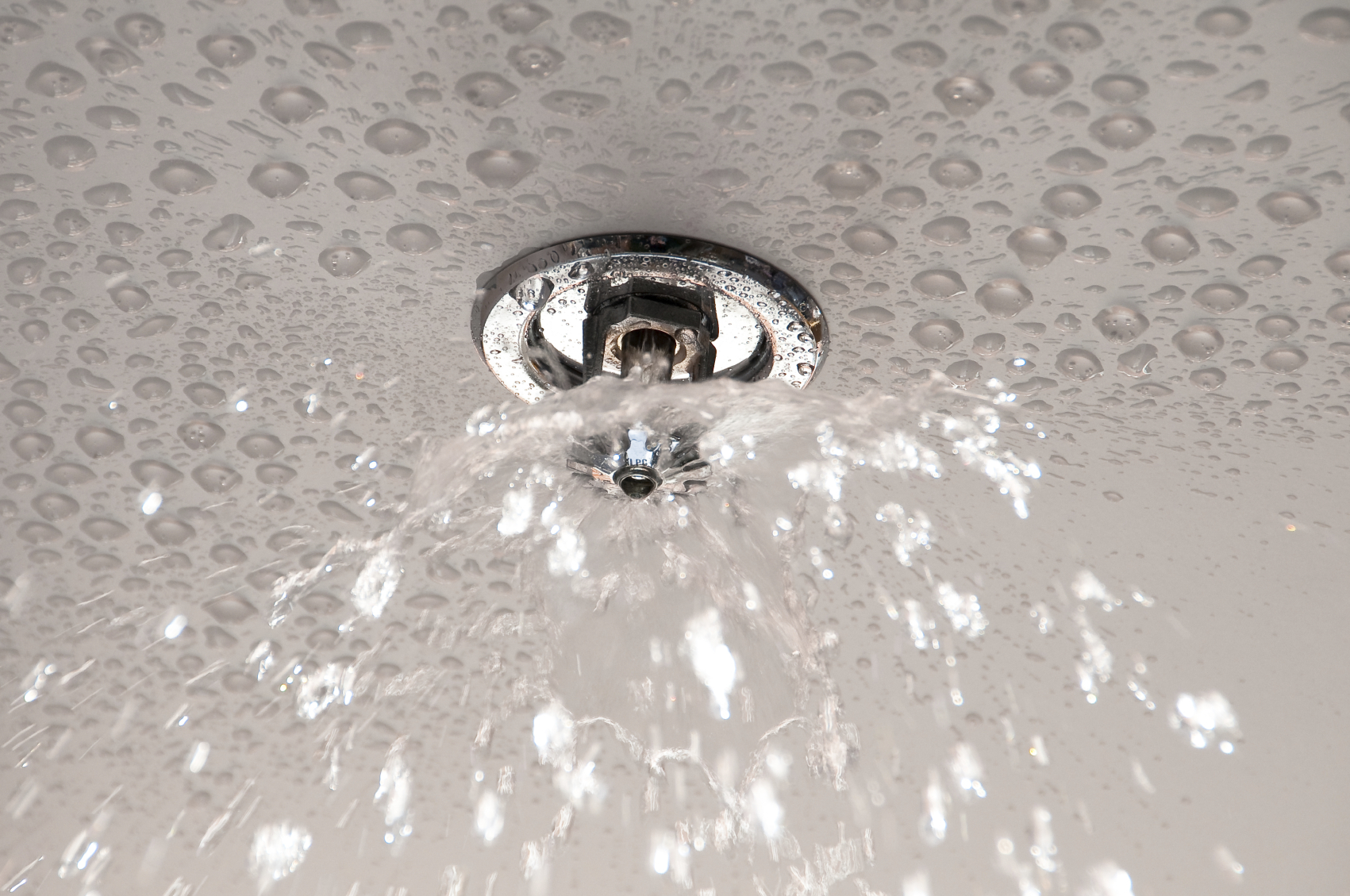
Part of protecting your commercial property means installing a quality fire sprinkler system. These systems are designed to suppress fires before they spread, minimizing flame damage and helping protect lives. But when exactly are these systems required, and what businesses need them?
Here, the fire safety experts at City Fire & Safety will discuss when fire sprinklers are required and which commercial buildings require them so you can better plan for your business’s needs. Requirements can vary based on building size, use, occupancy, and local code adoption, which is why it is important to understand both the general rules and the factors that may apply specifically to your property.
What Is a Fire Sprinkler System?
A commercial fire sprinkler system is an automatic fire suppression system designed to control or extinguish fires before they spread, helping prevent extensive damage. It is designed to activate when a fire is detected, dispersing water in affected areas through a series of carefully coordinated components.
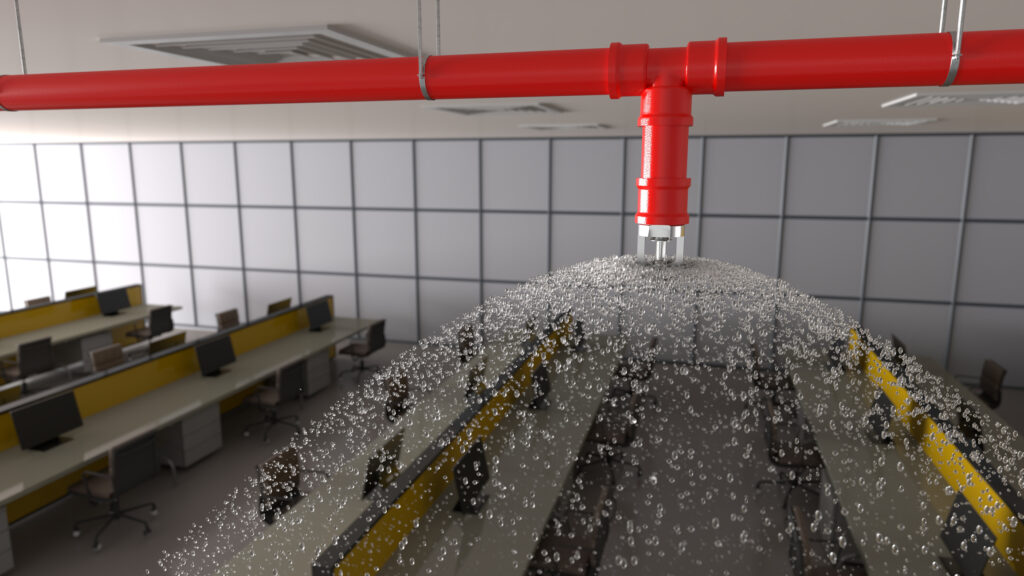
Within a fire sprinkler system, pipes distribute water throughout the building to sprinkler heads, which activate when high heat is detected. The control valves regulate the water flow, while the alert system signals emergency responders and lets building occupants know there is a fire.
Many property owners assume every sprinkler head activates at once, but in most cases, only the heads exposed to enough heat will open. This targeted response helps control the fire while limiting unnecessary water discharge in unaffected areas. That is one reason sprinkler systems remain one of the most reliable forms of active fire protection in commercial spaces.
What a Fire Sprinkler System Does for a Building
Fire sprinkler systems are effective for fire suppression and can help minimize the impact of a fire by subduing and extinguishing flames before they spread. By preventing the fire from escalating, these systems help reduce property loss and protect building occupants by giving them more time to evacuate. A fire sprinkler system can also help reduce injuries and fatalities by lowering heat and slowing smoke production.
In addition to protecting people, sprinkler systems can help reduce downtime after an incident. A controlled fire is often far less destructive than one allowed to spread freely, which can mean fewer repairs, less interruption to business operations, and a faster path back to normal use of the building. For many businesses, that operational protection is just as important as code compliance.
What Is the Regulation for Fire Sprinkler Systems?
Several regulating bodies dictate fire sprinkler system requirements for commercial buildings, namely the National Fire Protection Association (NFPA), International Building Code (IBC), and local building codes:
- NFPA codes: The NFPA 13 standard outlines requirements for automatic fire sprinkler systems in commercial properties.
- IBC code: This provides guidelines on fire protection requirements for commercial properties.
- Local building codes: Cities and states may have additional fire safety regulations.
Compliance with these regulatory standards protects your property while satisfying legal safety requirements. It is also important to remember that code requirements are not always one-size-fits-all. Renovations, changes in occupancy type, additions to a building, or updated local ordinances can all affect whether a sprinkler system is required or whether an existing one needs to be upgraded. If your building has changed over time, it may be worth scheduling a professional evaluation to confirm that your system still meets current expectations.
What Commercial Buildings Should Have Fire Sprinkler Systems?
Certain commercial properties are legally required to have fire sprinkler systems based on their size, occupancy, and usage. These include:
- High-rise buildings: Structures over 75 feet tall typically require fire sprinkler systems.
- Hotels and motels: Hotels require fire sprinklers, especially those with multiple stories or large occupant capacities.
- Hospitals and healthcare facilities: Fire sprinklers are particularly important in these areas where occupants are vulnerable.
- Retail stores and shopping centers: Depending on the size and occupancy, fire sprinkler systems may be necessary.
- Schools and educational buildings: Protection for students and staff necessitates a quality fire sprinkler system.
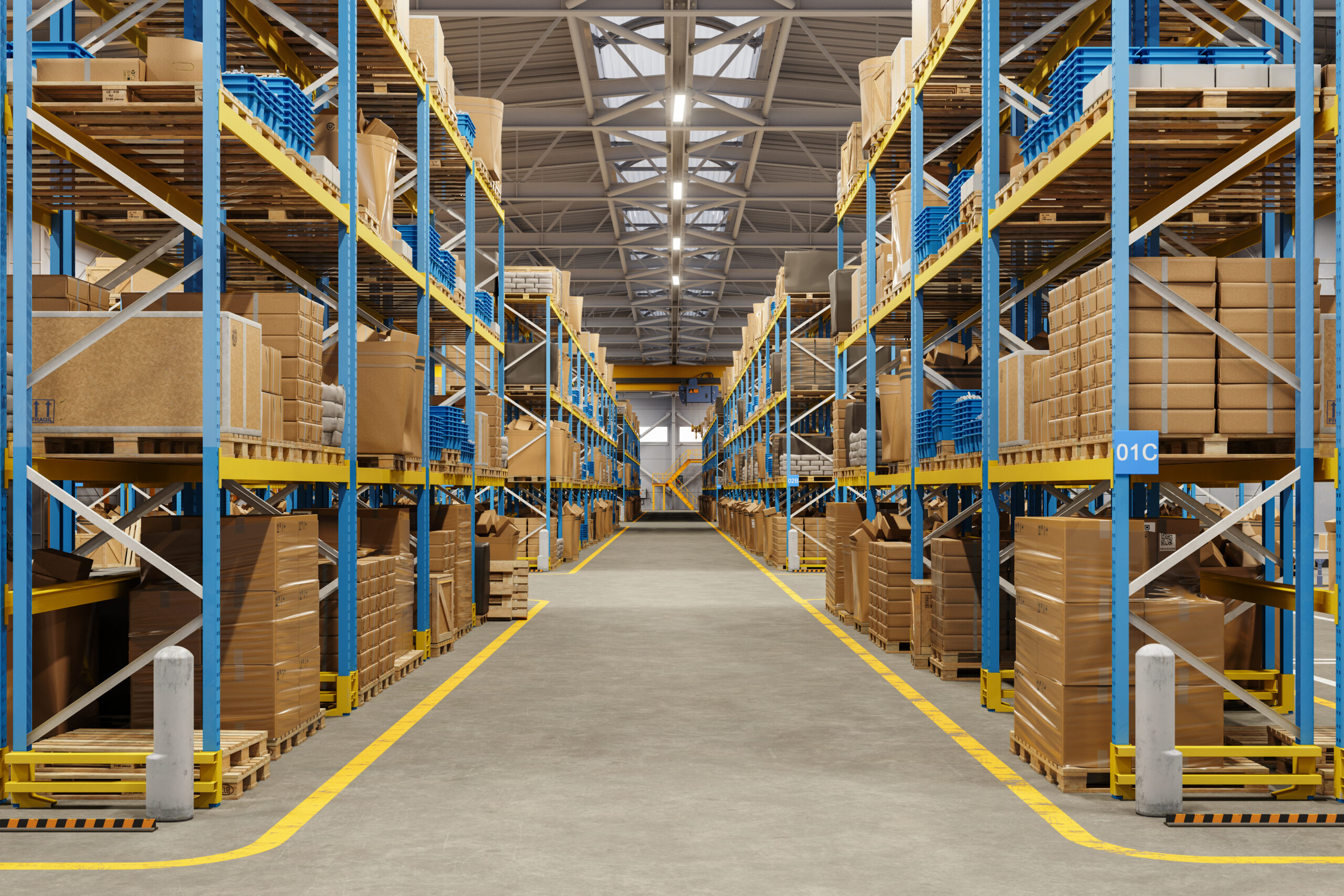
- Industrial facilities and warehouses: These buildings have a high fire risk due to flammable materials.
- Restaurants and commercial kitchens: Restaurants and buildings with commercial kitchens are high-risk due to open flames and cooking equipment.
Ensuring compliance with fire sprinkler regulations is essential for legal adherence and the safety of all occupants. Even in buildings where sprinklers are not strictly required in every area, they may still be strongly recommended as part of a broader fire protection strategy. A properly designed system can make a major difference in limiting fire spread and reducing liability.
If you are unsure whether your property falls into one of these categories, it helps to review the details with an experienced team that understands commercial fire code requirements. Building owners who are planning new construction, retrofits, or major occupancy changes should also consider how future needs may affect system design and long-term costs. For example, understanding fire sprinkler system costs can help you plan more effectively before a project begins.
What Happens If Your Building Needs Updates?
Some commercial buildings already have sprinkler systems installed, but that does not always mean the system is fully up to date. Older systems may need modifications, repairs, or component upgrades to remain dependable and code-compliant. In some cases, age, corrosion, building changes, or damage can affect performance over time.
If there are concerns about reliability or system condition, professional fire sprinkler repair services may be needed to restore proper function. In older systems or facilities undergoing major changes, a full fire sprinkler replacement may be the better long-term solution. The right recommendation depends on the building, the condition of the current system, and what the code requires for that space today.
Contact City Fire & Safety for Fire Sprinkler Installation
If your commercial property needs a fire sprinkler system, it is important to work with fire safety professionals familiar with local and national codes to protect your business. City Fire & Safety offers expert fire sprinkler installation solutions to help protect your property, employees, and customers.
As the most trusted source for fire safety systems in Northern Virginia since 1985, our American-owned, family-operated fire safety company is proud to deliver timely, personalized solutions at competitive prices. We offer high-qualityservices built to withstand the test of time and help keep your building safe when it matters most.
Request fire sprinkler installation in Arlington, Virginia, by contacting our team today.
Frequently Asked Questions About Commercial Fire Sprinkler Requirements
Do all commercial fire sprinklers work the same way?
No. Different systems are designed for different building types, hazards, and temperature conditions. Reviewing the differences in dry vs wet pipe sprinkler systems can help you understand why system design matters before installation or upgrades. The right setup depends on your building’s environment and fire risk.
Are standard fire sprinklers enough for every commercial space?
Not always. Some facilities with unique hazards, sensitive equipment, or specialized suppression needs may require more advanced protection. Learning more about special hazard protection systems can help determine whether a standard sprinkler setup is enough for your property. Code requirements often depend on the specific risks inside the building.
Who should I call if I am not sure my building needs sprinklers?
You should speak with an experienced fire protection company that understands local codes, occupancy rules, and commercial system design. The fastest next step is to use the City Fire & Safety contact page to request guidance for your building. A professional review can help you plan correctly and avoid costly mistakes.
request service today