
How Much Does a Commercial Fire Sprinkler System Cost?
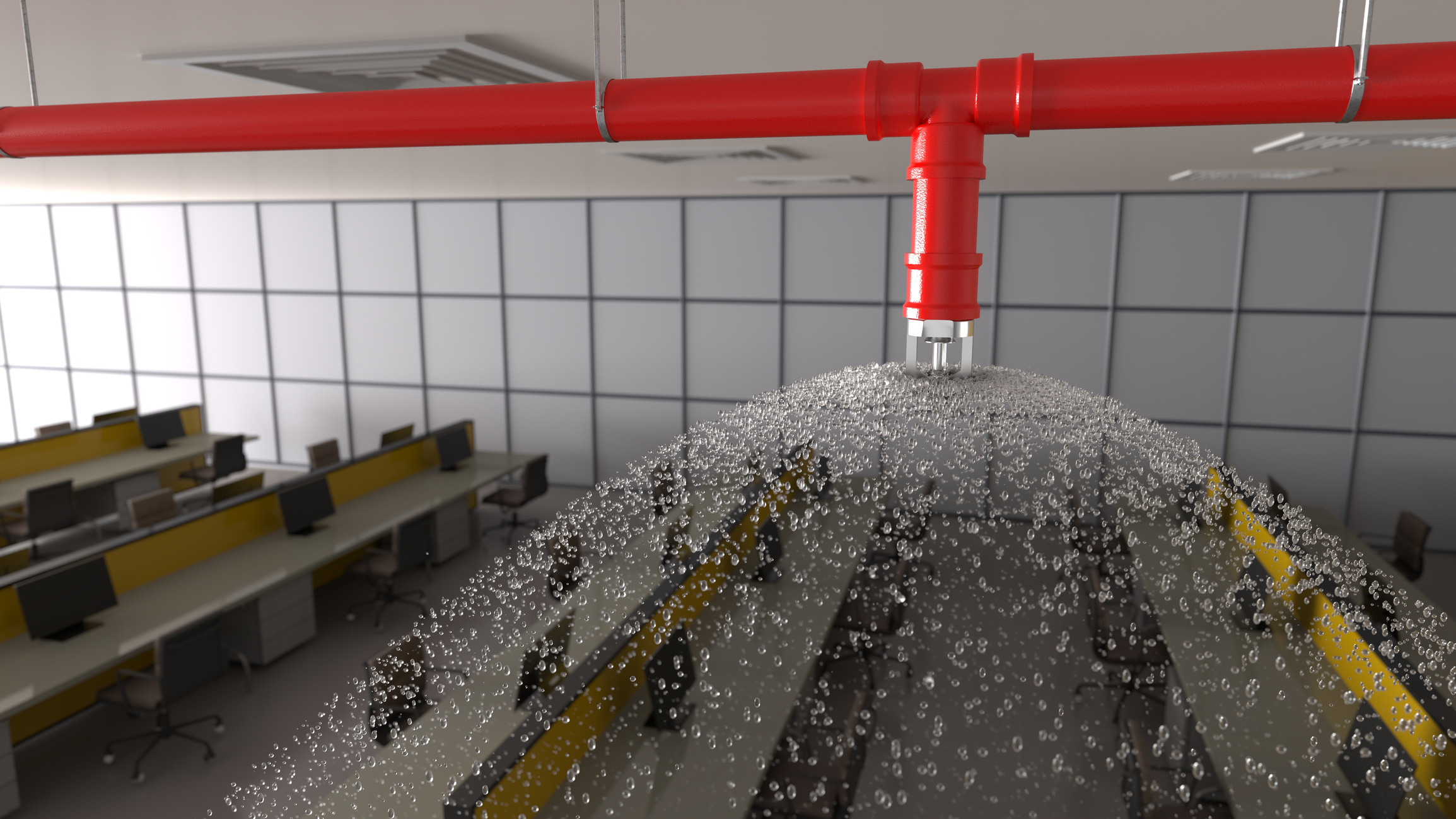
Installing commercial fire sprinkler systems is an important step in protecting people, property, and business operations. A properly designed system can respond quickly to a developing fire, help control its spread, and give occupants additional time to evacuate.
One of the first questions many property owners ask is, “How much does a commercial fire sprinkler system cost?” There is no universal flat rate because the final price depends on the building, system design, fire hazards, water supply, materials, and installation conditions.
If you are budgeting for a new installation, retrofitting an existing property, or replacing an outdated system, understanding the major cost factors can help you prepare for the quoting and design process.
How Much Does a Commercial Fire Sprinkler System Cost?
The cost of a commercial fire sprinkler system must be calculated for the specific property. Two buildings with similar square footage may require very different budgets based on their layouts, occupancy classifications, fire hazards, water supplies, and installation conditions.
New construction projects are generally easier to plan because sprinkler piping can be coordinated with ceilings, walls, plumbing, electrical systems, and other building components. Retrofitting an occupied or finished building may require additional labor, access work, tenant coordination, or restoration after installation.
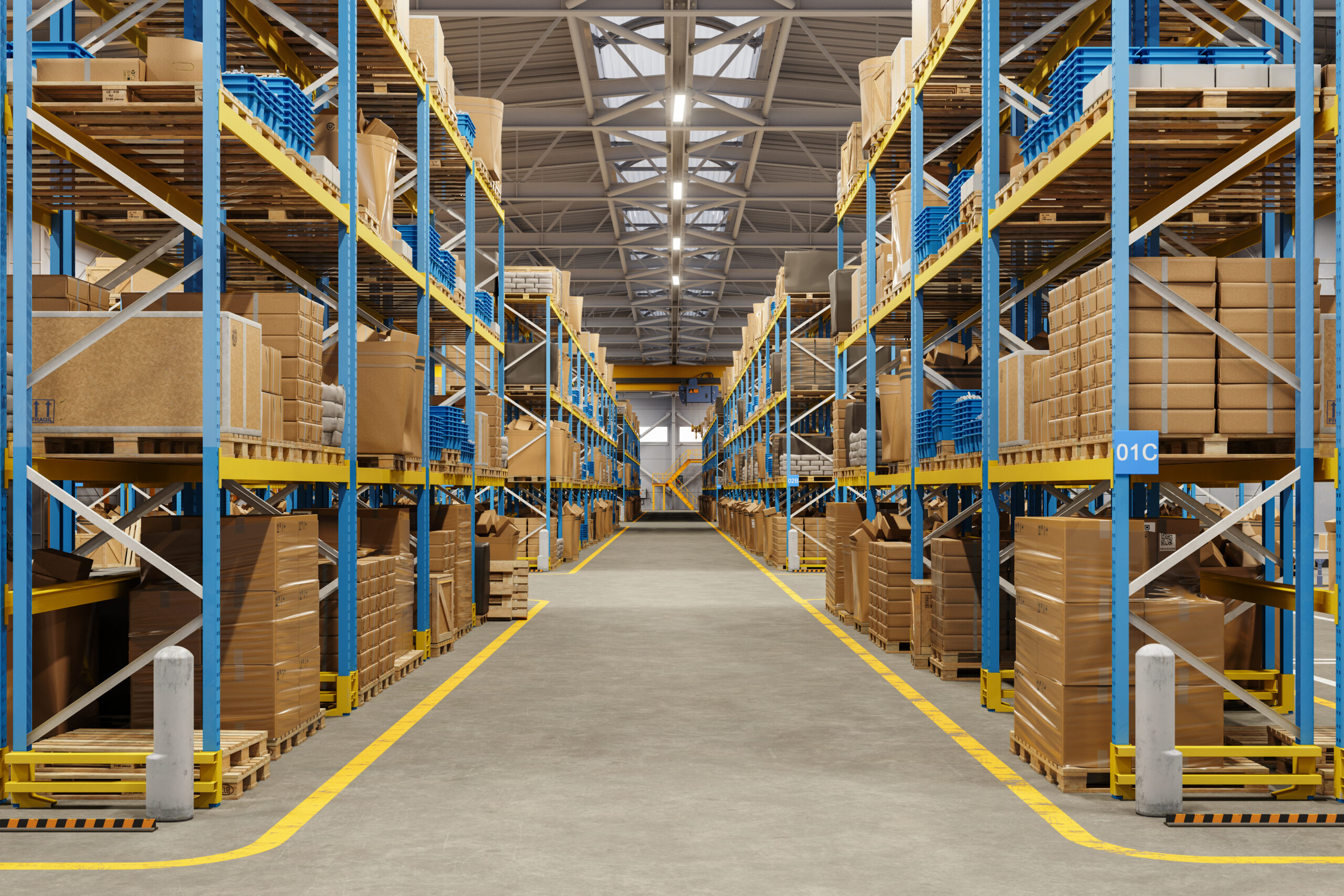
Specialized facilities, high-hazard occupancies, warehouses with tall storage, multi-story buildings, and properties with insufficient water pressure may also require more complex equipment and system designs. An on-site evaluation is the most reliable way to determine the scope of work and receive an accurate project estimate.
What Affects Commercial Fire Sprinkler Installation Costs?
The final cost includes more than sprinkler heads and piping. A complete project may include system design, hydraulic calculations, engineering, permits, materials, labor, testing, inspections, and coordination with local authorities.
Building Size and Layout
Larger buildings generally require more piping, sprinkler heads, valves, labor, and installation time. Square footage is not the only consideration, however. A large open warehouse may be more straightforward to protect than a smaller building with multiple floors, enclosed rooms, concealed spaces, or difficult ceiling access.
New Construction or Retrofit
Installing a system during new construction allows contractors to coordinate sprinkler piping with plumbing, electrical, HVAC, and structural work. Retrofitting an existing building may involve working around finished ceilings, occupied spaces, existing utilities, equipment, or architectural features.
Occupancy and Fire Hazards
The type of business and materials stored or used inside the building affect the required sprinkler design. Offices, retail stores, manufacturing facilities, commercial kitchens, warehouses, and automotive properties can have significantly different fire protection needs.
The building code, fire code, occupancy classification, storage arrangement, and local authority having jurisdiction determine many commercial sprinkler requirements.
Water Supply and Pressure
The available water supply must support the system’s required flow and pressure. Some buildings can connect directly to a suitable municipal supply, while others may require a fire pump, water storage tank, larger service line, backflow preventer, or other equipment.
Materials and Equipment
Project costs may include piping, sprinkler heads, valves, hangers, fittings, alarms, backflow prevention equipment, fire department connections, and system monitoring components. Material selection depends on the approved system design, building conditions, and applicable codes.
Permits, Design, and Testing
A commercial sprinkler project may require engineered plans, hydraulic calculations, permit fees, plan review, inspections, acceptance testing, and documentation. These requirements vary by jurisdiction and should be considered when developing a complete project budget.
How Sprinkler System Type Affects Cost
The type of sprinkler system selected can have a major effect on equipment, design, installation, and long-term maintenance costs.
- Wet pipe systems: These systems keep water inside the piping and are commonly used in buildings where temperatures remain above freezing. Their relatively straightforward design often makes them less complex to install and maintain.
- Dry pipe systems: Pressurized air or nitrogen remains inside the piping until a sprinkler activates. These systems are commonly used in unheated warehouses, loading areas, parking structures, and other spaces exposed to freezing temperatures.
- Pre-action systems: These systems generally require a separate detection event before water enters the piping. They may be used in facilities where an unintended water discharge could damage sensitive equipment or valuable property.
- Deluge systems: Deluge systems use open sprinkler heads and release water throughout the protected area when the detection system activates. They are typically used for specific high-hazard applications.
Learn more about the differences between wet and dry sprinkler systems when considering which design may be appropriate for your facility.
Why Commercial Fire Sprinklers Are Worth the Cost
A commercial fire sprinkler system is a significant investment, but it provides automatic protection that can begin controlling a fire before firefighters arrive. Limiting fire growth can reduce damage, protect escape routes, and help prevent an incident from spreading into additional areas of the building.
Sprinklers may also help businesses satisfy occupancy and fire-code requirements. Some insurance providers may offer credits or reduced premiums for properly protected properties, although availability depends on the insurer, building, system, and policy.
Fire sprinkler installation should be considered alongside the potential costs of fire damage, business interruption, lost inventory, equipment replacement, liability, and extended property closures.
Are There Risks With Fire Sprinkler Systems?
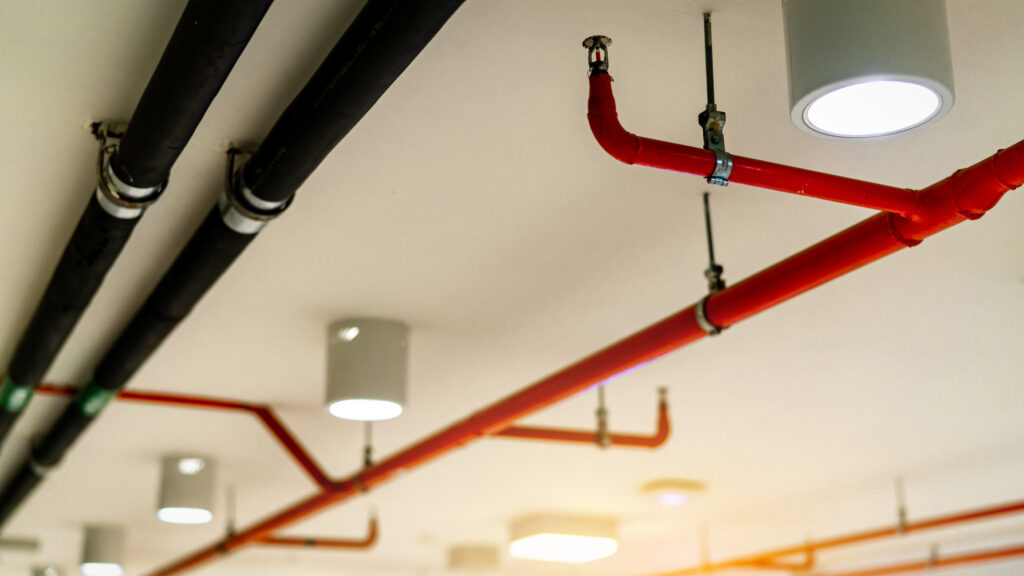
Some property owners worry that smoke, cooking vapors, or a fire alarm will activate the sprinkler system. In standard wet and dry pipe systems, sprinkler heads are typically activated individually by sufficient heat rather than by smoke alone.
Deluge systems operate differently because they use open sprinkler heads connected to a separate detection and release system. The appropriate design depends on the facility and the hazards being protected.
Leaks, corrosion, damaged sprinkler heads, closed valves, freezing conditions, and improper building modifications can affect performance. Regular inspections, testing, and maintenance help identify these problems before they compromise the system.
Additional Commercial Fire Protection Equipment
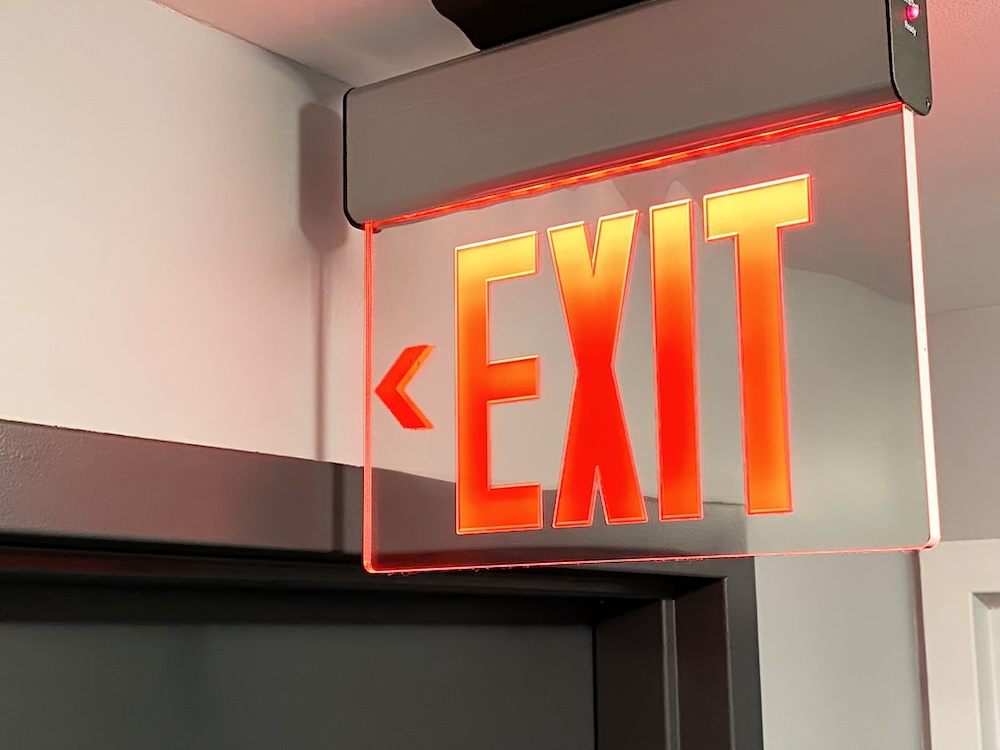
Fire sprinklers are one component of a complete fire protection strategy. Depending on the building and occupancy, the property may also require fire alarm and detection systems, portable fire extinguishers, emergency lighting, exit signs, alarm monitoring, or specialized suppression equipment.
These systems serve different purposes. Fire alarms provide early warning, emergency lighting supports evacuation, extinguishers allow trained individuals to respond to small fires, and suppression systems protect hazards that may not be suited to traditional water-based sprinklers.
Commercial Fire Sprinkler System Cost FAQs
How is a commercial fire sprinkler installation estimate calculated?
An estimate considers the building’s square footage, number of floors, occupancy, fire hazards, system type, available water supply, required equipment, labor, permits, testing, and access conditions. A site evaluation is usually necessary before accurate pricing can be provided for fire sprinkler installation services.
Does it cost more to add sprinklers to an existing building?
Retrofitting an existing building may require more labor than installing a system during new construction. Contractors may need to work around walls, ceilings, tenants, utilities, equipment, or architectural features. Buildings with outdated or inadequate systems may require fire sprinkler replacement services.
Are inspections and maintenance included in installation costs?
Initial testing and system acceptance may be included in an installation proposal, but ongoing inspection, testing, and maintenance are generally separate services. Property owners should budget for continued sprinkler repair and maintenance throughout the life of the system.
Request a Commercial Fire Sprinkler Estimate
City Fire & Safety designs and installs commercial fire sprinkler systems based on each property’s layout, occupancy, hazards, and applicable requirements. Our team can evaluate your building, explain the available system options, and provide a project-specific estimate.
With more than 40 years of commercial fire protection experience, we serve businesses throughout North Carolina, South Carolina, and surrounding areas.
Request a sprinkler estimate from City Fire & Safety today.
request service today