
Understanding OSHA & NFPA Requirements for Emergency Lighting
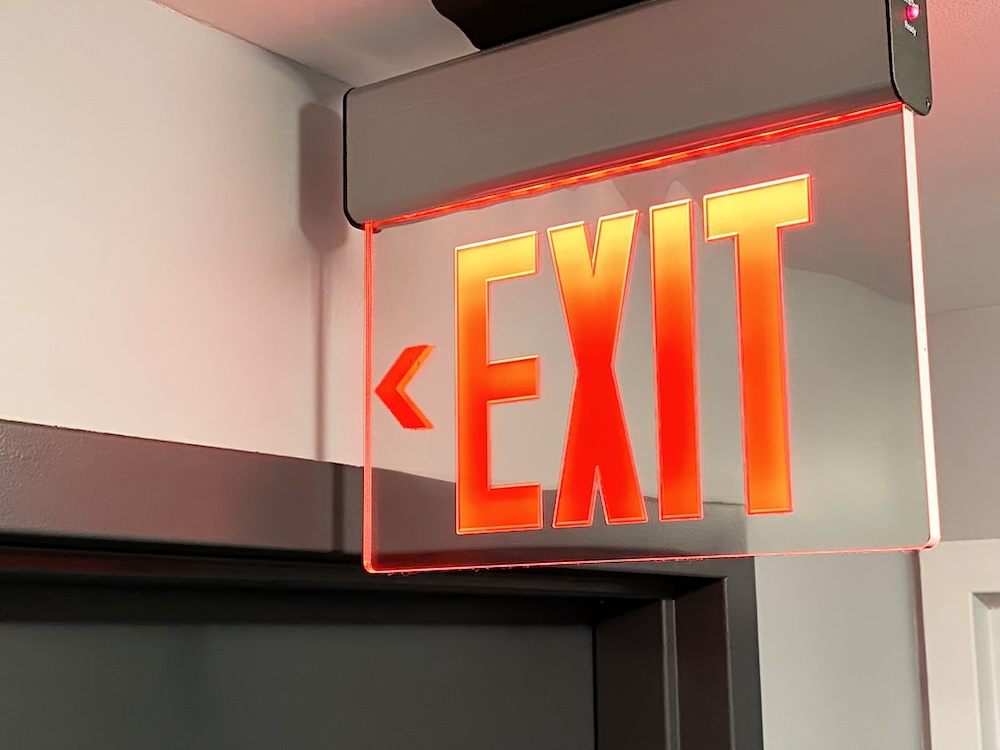
One key component of any commercial safety system is emergency lighting. OSHA includes emergency lighting requirements like illuminated exit signs and evacuation routes to support functional evacuation during emergencies. NFPA guidance requires routine emergency lighting testing and inspections to verify proper operation of your system, even during power outages.
As a facility manager or business owner, keeping your emergency lighting maintained, tested, and documented ensures critical safety for your building’s occupants and code compliance.
Why Is Emergency Lighting So Important for Commercial Buildings in Virginia?
Emergency lighting plays a crucial role in helping the occupants inside your building safely evacuate during events like fires, power outages, severe weather events, and other emergencies. Property owners and facility managers are specifically responsible for maintaining emergency lighting systems. Far too often, many businesses don’t really think about their emergency lighting until they fail a fire marshal inspection or experience an emergency situation that reveals a problem with their system.
It’s best to be proactive when it comes to properly maintaining your emergency lighting for your facility. It’s not only important for occupant safety but also to ensure your business remains compliant with both OSHA and NFPA guidelines.
- Illuminated exit signs
- Battery backup emergency lights
- Egress pathway lighting
- Stairwell emergency lighting
- Emergency power systems
What Does OSHA Require for Emergency Lighting in Commercial Buildings?
OSHA’s requirements specifically emphasize properly maintaining safe and accessible exit routes for employees, tenants, and customers alike. The standards generally require safeguards, like exit lighting, to remain illuminated even if power outages occur.
Exit signs must be clearly visible and illuminated. Exit sign placement over all of the exits is mandatory. This ensures that those inside your facility can clearly identify and safely follow evacuation routes during an emergency. OSHA requires lighting to remain operational, visible, and be routinely inspected for performance issues.
Why Do Exit Signs and Emergency Lights Need Regular Testing?
It’s pretty common for emergency lighting systems to go unused for long periods of time. They’re only meant to be functional in the event that an actual emergency occurs. Unfortunately, this can mean that internal components, wiring, bulbs, and batteries can fail over time without any obvious warning. Without regular testing, your business may not realize that the backup batteries no longer hold a charge or that your emergency lights fail during a power loss. Your exit signs may be damaged, your fixtures may be obstructed, or there may be an internal wiring problem that prevents the system from operating correctly.
This is why routine testing is mandatory to help identify these issues before an emergency exposes the failure. For many building owners and facility managers, emergency lighting inspections are an important part of a much broader safety and fire protection maintenance program for the business.
What Does NFPA Recommend for Emergency Lighting Testing?
NFPA guidance requires both monthly and annual emergency lighting testing procedures to ensure proper operation and battery performance from your system. Monthly tests are very brief, while annual tests are more complex. Monthly testing is best for identifying operational issues that are fairly obvious so that you can remedy them.
NFPA guidance for fire safety services requires annual 90-minute operational testing to confirm that your emergency lighting batteries can hold a continuous charge during a power outage. Annual testing is very important to ensure that your building’s occupants can safely evacuate your building during extended emergencies.
Why Is Documentation Important for Emergency Lighting Testing?
A big part of any emergency lighting testing is documentation. Facility managers or commercial property owners commonly maintain records showing things like testing results, inspection dates, battery replacements, repairs performed, and even maintenance schedules. By keeping accurate records, you can demonstrate that your system is compliant with both OSHA and NFPA standards.
It’s also important to note that fire marshals and other authorities will likely require maintenance records to be reviewed as part of evaluating your building’s life safety systems. Keeping your documentation well organized helps your business stay on track of aging equipment and identify any recurring maintenance issues.
Expert Emergency Lighting Services
As a commercial property owner or facility manager, it’s your responsibility to ensure that your facility has adequate emergency lighting that functions optimally. This involves monthly testing as well as annual testing.
For expert help with emergency lighting services or compliance requirements in Virginia, Tennessee, North Carolina, South Carolina, or Georgia, contact us at City Fire & Safety today.

request service today