

The Sunset of POTS Lines: Why You Must Switch to Cellular Fire Alarm Monitoring
Many commercial buildings rely on plain old telephone service (POTS) lines for fire alarm monitoring. These copper lines were once the standard for voice communication and fire alarm signal transmission. But these lines are now aging rapidly and becoming obsolete.
Telephone providers are phasing out copper networks and moving to digital and wireless communication. This has a profound effect on fire alarm communication methods that rely on POTS. Businesses who still use POTS may face higher costs, unreliable connections, and increased service interruptions.
Reliable alarm signal transmission is mandatory for an efficient emergency response. Your building is at risk if a monitored fire alarm system is unable to communicate. Businesses that rely on POTS lines should consider switching to cellular fire alarm monitoring.
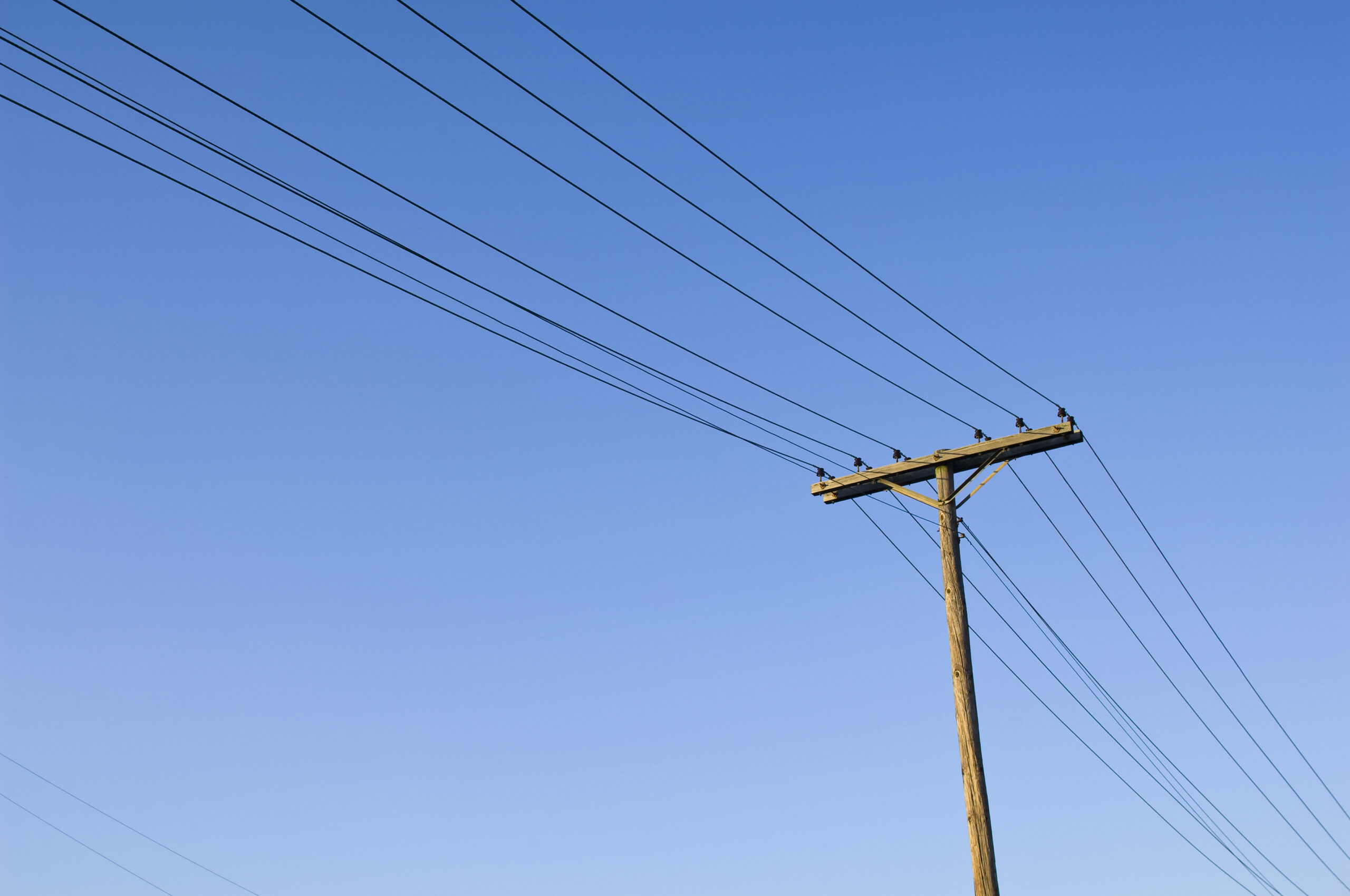
Why POTS Lines Are Less Reliable
Monitored fire alarm systems send signals from a building control panel to a central monitoring station. When smoke detectors, sprinkler systems, or other devices triggered an alarm, the alarm panel sent a signal through the phone line.
The phone line method was reliable because copper telephone lines were widespread and heavily maintained. But all of that changed with the invention of modern communication networks.
Telephone companies no longer prioritize copper-line maintenance. AT&T is working to phase out copper lines entirely by 2029, with other companies following close behind. Large portions of the U.S. now rely on fiber, cable, cellular, and internet-based communication systems.
- Signal degradation
- Line noise and interference
- Longer repair timelines
- Weather-related outages
- Damaged underground wiring
- Reduced provider support
- Unexpected service interruptions
Fire alarm systems require dependable signal transmission. Even brief interruptions could lead to emergency service calls or fire alarm repair.
POTS Line Costs Continue Rising
Many businesses keep POTS lines because it seems easier. Everything is already in place, and there’s no adjustment to make. But that approach takes a toll on your finances.
As telephone companies phase out copper lines, fewer customers remain on these networks. Maintenance costs rise because providers invest more in modern communication platforms. To them, maintaining POTS lines is an expense they don’t want to carry. So, those expenses frequently pass directly to commercial customers.
- Monthly rate increases
- Additional maintenance charges
- Service call expenses
- Long repair wait times
- Limited support
Businesses with multiple lines may feel these increases more heavily. Large facilities sometimes maintain several lines for different fire alarm panels or building sections. Continuing to use these lines becomes less practical than upgrading to a modern monitoring solution.
Cellular Monitoring Is the Better Choice
Many commercial properties now use cellular fire alarm monitoring. Cellular transmits alarm signals wirelessly to the monitoring center instead of relying on copper telephone lines.
- Signal reliability
- Fast communication
- Lower cost
- Service continuity
Cellular monitoring also avoids several problems tied to underground copper lines. Storm damage, water intrusion, accidental line cuts, and deteriorating wiring are all major problems.
Fire Alarm Monitoring and AHJ Expectations
Fire alarm monitoring systems must align with safety codes and system design requirements. You may also hear the term “AHJ,” which stands for “Authority Having Jurisdiction.” The AHJ refers to the organization or official responsible for enforcing fire codes and approving system compliance.
- Fire marshals
- Building inspectors
- Code enforcement officials
- Insurance representatives
Requirements vary depending on the building, the fire alarm system, local codes, and the monitoring setup. Some facilities may also need certain monitoring methods, backup options, or supervision features.
Waiting Creates Risk
You may feel switching to cellular fire alarm monitoring is unnecessary because the existing system works. But it’s important to consider what happens if it stops working. If your property relies on monitored fire protection, then you shouldn’t wait for failure before taking action. Plan your fire alarm installation before an emergency occurs.
Protect Your Property Today
If your business relies on POTS lines for fire alarm monitoring, now is the time to review your system. Copper phone lines are becoming less reliable, more expensive, and harder to support. Cellular fire alarm monitoring is more dependable. Making the switch before problems occur helps protect your property and avoid service disruptions.
To learn more about cellular fire alarm monitoring in Gastonia and surrounding areas, contact City Fire & Safety today.


request service today