
Proper Placement of Exit Signs & Emergency Egress Lighting in Warehouses
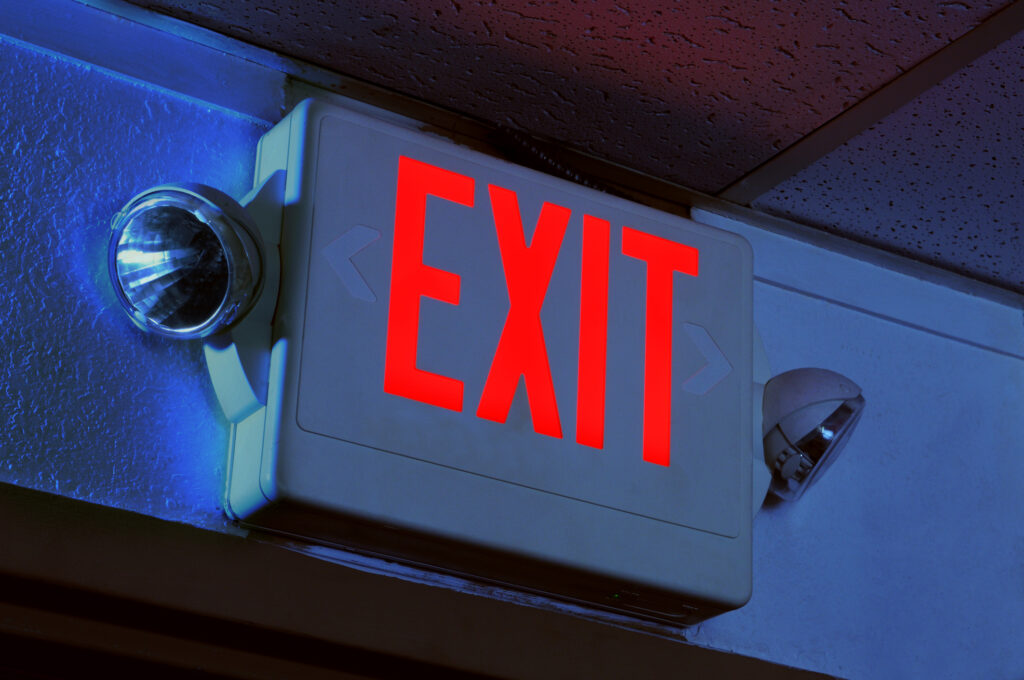
Warehouses present unique challenges for fire safety and emergency preparedness. Large floor plans, tall racking systems, and shifting inventory can block sightlines and create confusing layouts. During an emergency, these obstacles make it much harder for workers to find their way to safety.
Why Exit Signs & Egress Lighting Matter in Warehouses
Egress systems are life safety requirements that every warehouse operator needs to take seriously. When a fire or power outage strikes, visibility drops fast, and smoke and darkness can slow an evacuation to a dangerous crawl. Properly placed exit signs and emergency egress lighting guide occupants toward safe exits, even in the worst conditions. City Fire & Safety provides professional emergency exit lighting services to help keep warehouse teams protected.
What Exit Sign & Egress Lighting Codes Are Designed to Do
Exit signs and egress lighting codes exist to protect people during emergencies. The National Fire Protection Association (NFPA) and the International Building Code (IBC) set clear standards that these systems must abide by. Their shared goal is a straightforward one: make sure every person inside a building can safely find their way out.
These codes address brightness levels, battery backup duration, sign visibility distance, and placement intervals. They also require that exit signs and egress lighting connect to fire alarm and detection systems that allow lighting to activate automatically when an alarm triggers. Understanding the different types of fire detection systems can also help you see how these components fit together in a broader safety network.
Failing to meet these codes puts workers at risk and exposes the facility to fines and liability. Fire marshals inspect for compliance regularly, and warehouses that fall short can face operational shutdowns until the deficiencies are corrected.
Where Exit Signs Should Be Placed in a Warehouse
While mounting a sign directly above or beside every exit door is a great start, proper exit sign placement means understanding how people move through a building. For example, additional signs belong at decision points along the path of egress, including hallway intersections, turns, and transitions between open areas and corridors.
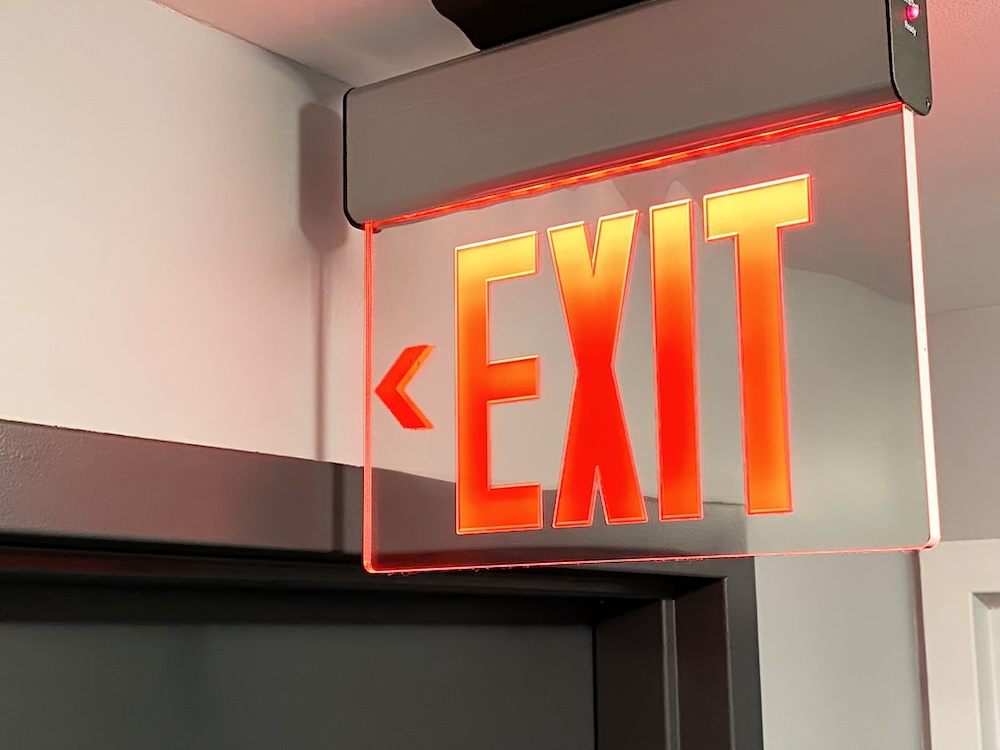
In warehouses, tall shelving often blocks the line of sight to ceiling-mounted signs; lower-mounted or blade-style signs that project from the walls can improve visibility. Remember that exit signs must remain visible from a reasonable distance, too. Most codes require visibility from 100 feet or less, depending on the sign size and type.
Regular emergency exit light inspections must confirm that all signs stay visible, illuminated, and properly positioned, even as layouts change. Staying ahead of these changes is a key part of any fire marshal inspection guide checklist.
Where Emergency Egress Lighting Should Be Installed
Emergency egress lighting in warehouses serves a different purpose than exit signs. While signs identify where the exits are, egress lighting illuminates the path to reach them. After all, a visible sign won’t matter if workers can’t safely navigate the route leading to it.
Generally, exit and emergency lighting installation should occur along all paths of travel that lead to exits. This includes aisles between racking, stairwells, loading dock areas, and corridors.
City Fire & Safety offers professional installation so facilities can meet these requirements. Learning how to prepare for fire marshal inspection requirements will help you stay compliant throughout the year.
Common Warehouse Areas That Need Extra Attention
Certain trouble spots in warehouses are often overlooked when they would actually benefit from special hazard protection measures beyond standard lighting.
- Mezzanine levels and elevated platforms
- Loading docks and shipping areas
- Cold storage rooms and freezer sections
- Equipment rooms and mechanical spaces
- Break rooms and restrooms located away from main exits
Warehouses that store flammable materials or have limited materials should also consider emergency radio systems to support evacuation efforts. Remember, the best time to address these areas is during the initial installation or whenever the warehouse undergoes a layout change. Waiting until an inspection reveals a gap leads to costly rush orders and even downtime.
How to Keep Exit Signs & Egress Lighting Inspection Ready
Installing these systems is only the first step; ongoing testing and maintenance keep them functional when they matter the most. NFPA 101 requires monthly visual inspections and annual function testing, including a full 90-minute battery discharge to confirm backup power reliability.
Keeping a log of all inspections and test results is likewise essential. These records are among the first things a fire marshal will review during a facility visit. Following a reliable fire marshal inspection prep routine helps you stay organized and avoid citations.
If your facility needs professional support with testing and documentation, request safety services from City Fire & Safety.
Why Exit Lightning Should Be Reviewed With Other Fire Protection Systems
Exit signs and egress lighting should not operate in isolation. Ideally, they are part of a connected fire protection strategy that includes alarm systems, sprinkler systems, and suppression equipment. To that end, whenever one of these systems is updated or modified, all others should be reviewed as well.
For example, any changes to a warehouse layout could affect sprinkler coverage and egress paths at the same time. Reviewing your fire sprinkler systems alongside exit lighting identifies any possible gaps before they become compliance issues. Similarly, understanding when fire sprinklers in commercial buildings are required can also help with planning a complete safety upgrade.
Schedule Warehouse Exit Lightning Service
Proper placement of exit signs and emergency egress lighting keeps your workers safe. It also keeps your facility compliant with fire safety codes. City Fire & Safety provides expert installation, inspection, maintenance, and related fire protection needs, including fire alarms, sprinkler services, and special hazard protection.
Contact City Fire & Safety today to schedule warehouse exit lighting service or request a facility assessment.

request service today