
How To Properly Use a Fire Extinguisher
When a fire strikes, knowing how to use a fire extinguisher correctly can mean the difference between a minor incident and a catastrophic event. While portable fire extinguishers are common in homes, businesses, and vehicles, many people are unfamiliar with how to operate them properly.
In this blog post, the fire safety experts at City Fire & Safety will explain how to use a fire extinguisher so you can act quickly and safely during a fire emergency. It is also important to know when to use a fire extinguisher, because small, contained fires may be manageable, while larger fires require immediate evacuation and a call to 911.
Choosing the Right Fire Extinguisher
Before we guide you through safe fire extinguisher usage, it’s important to know that not all fire extinguishers are the same. Different extinguisher types are designed for specific fire events:
- Class A: This is used for ordinary combustibles like wood, paper, and cloth.
- Class B: This type is effective against flammable liquids such as gasoline, oil, and grease.
- Class C: This is designed for electrical fires involving appliances, wiring, and circuit breakers.
- Class D: This is used specifically for flammable metals found in laboratories or industrial settings.
- Class K: This is designed for kitchen fires, especially those involving cooking oils and fats.
Choosing the right fire extinguisher for your specific needs is essential for keeping your environment safe, as using the incorrect type can sometimes make a fire worse.
For many properties, multipurpose extinguishers rated for more than one class are a practical option, but you should always check the label and confirm the extinguisher matches the risks in the area where it will be stored. In workplaces, following commercial extinguisher requirements helps ensure the right units are placed in the right locations.
How To Properly Use a Fire Extinguisher
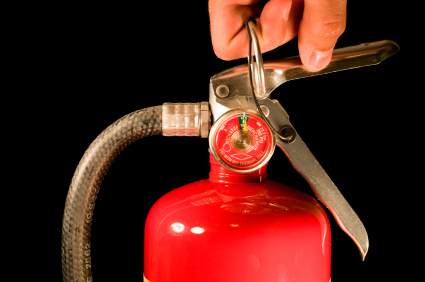
Once you’ve chosen the proper fire extinguisher, it’s time to understand how to use it. The PASS method is a simple way to remember the steps:
- Pull the pin: This releases the locking mechanism and allows you to discharge the extinguisher.
- Aim the nozzle: Point the nozzle or hose at the base of the fire. Aiming at the flames will not effectively put out the fire.
- Squeeze the handle: Squeezing the handle will release the extinguishing agent. Ensure you squeeze firmly and continuously.
- Sweep the nozzle: Move the nozzle from side to side at the base of the fire until it appears to be out. Continue spraying to prevent the fire from reigniting.
By practicing the PASS method, you can act swiftly and confidently during a fire emergency.
Just as important as knowing the steps is knowing when to use a fire extinguisher. You should only attempt to fight a fire if it is small, contained, not spreading rapidly, and you have a clear escape route behind you. If the room is filling with smoke, the fire is growing, or you are unsure what is burning, leave immediately and call emergency responders.
Common Mistakes With Fire Extinguishers
Even with the right equipment and knowledge, mistakes can happen. Some common errors when using a fire extinguisher include:
- Incorrect aiming: People often aim at the flames rather than the base of the fire. Remember to always aim low at the fire’s source.
- Not squeezing the handle fully: Partial squeezing may not release enough extinguishing agents, rendering the extinguisher ineffective.
- Standing too close or too far: Being too close can cause the fire to flare up, while being too far away may reduce extinguisher effectiveness.
- Lack of confidence: Hesitation or panic can lead to improper use, so it’s important to familiarize yourself with safe use ahead of time.
Another common mistake is trying to fight a fire that is already too large or dangerous. The proper way to use a fire extinguisher always starts with a quick safety check, including whether the extinguisher is charged, whether the fire is still contained, and whether you can exit safely if conditions change.
How To Be Prepared To Use a Fire Extinguisher
Preparation is the key to surviving a fire event and using an extinguisher properly. Here’s how you can be prepared to use a fire extinguisher the right way when an emergency strikes:
- Routine extinguisher inspections: Ensure your fire extinguishers are in good working condition by scheduling regular inspections.
- Training and drills: Familiarize yourself and others in your household or workplace with the PASS method and conduct regular fire drills.
- Accessibility: Place extinguishers in easily accessible locations, such as near exits or kitchens, and ensure maximum visibility.
- Emergency plans: Develop a clear plan for responding to a fire, including evacuation routes and meeting points.
Being prepared can save precious time in an emergency, reducing the risk of injury and property damage.
If an extinguisher has been discharged, is damaged, or is no longer serviceable, it should be addressed right away rather than put back in place. Reviewing these expired extinguisher steps can help you understand what to do next, and prompt replacement or service keeps your property better protected.
Schedule Fire Extinguisher Services With Us Today
Using a fire extinguisher correctly can be life-saving, but it starts with having the right equipment and knowledge. Ensure your fire extinguishers are ready for emergencies by scheduling fire protection services with City Fire & Safety today. Our family-operated business offers comprehensive fire extinguisher inspections and installations to ensure you’re adequately prepared to protect your home or business.
Don’t wait until it’s too late. You can request fire extinguisher service with our team today, and we can help make sure your property is ready before an emergency happens.
Frequently Asked Questions
When should you use a fire extinguisher?
You should use a fire extinguisher only when the fire is small, contained, and not producing heavy smoke, and only when you have a clear path to exit if conditions worsen. For commercial properties, a fire marshal inspection guide can also help teams think through emergency readiness before an incident happens. If the fire grows quickly or you are not sure what is burning, evacuate and call 911.
What is the correct way to use a fire extinguisher?
The correct way to use a fire extinguisher is to follow the PASS method, pull the pin, aim at the base of the fire, squeeze the handle, and sweep side to side until the fire appears to be out. Many businesses also pair extinguisher placement with broader protection planning, and fire suppression installation is one part of building a more complete system. After the flames are out, the area should still be monitored in case the fire reignites.
What should you do after using a fire extinguisher?
After using a fire extinguisher, make sure the fire is fully out, notify the proper authorities or supervisors, and have the extinguisher replaced or serviced before another emergency occurs. For larger building safety planning, understanding commercial sprinkler requirements can also help businesses think more broadly about protection. Leaving a discharged unit in place can create a serious safety risk.

request service today