

What To Do With an Expired Fire Extinguisher
Fire extinguishers are essential safety devices that can help protect lives and property during a fire emergency. However, like many types of safety equipment, they have a limited lifespan and must be replaced, recharged, or serviced periodically to stay in good working condition.
Ignoring an expired fire extinguisher can create serious safety risks. An extinguisher that looks fine on the outside may fail when you need it most, which is why it is important to know how to identify an expired unit and what to do next. In this blog post, the fire safety experts at City Fire & Safety explain how to handle an expired fire extinguisher so you can keep your property protected when the unexpected occurs.
Recognizing an Expired Fire Extinguisher
Determining if your commercial fire extinguisher is expired is a relatively simple process. First, check the date on the label, usually located at the bottom or side of the extinguisher. Most fire extinguishers have a lifespan of 5 to 15 years, depending on the manufacturer. If you cannot find the expiration date on the label, refer to the manufacturer’s instructions for specific details on the expected service life.
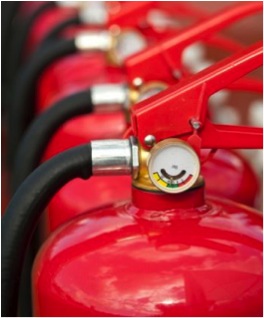
Physical signs of expiration or compromise include visible rust, corrosion, dents, or damage to the extinguisher body. Another sign is the pressure gauge. If the needle is in the red zone, either overcharged or undercharged, the extinguisher may not function as expected during an emergency.
It is also important to remember that some extinguishers do not need full replacement the moment they appear old. In some cases, they may still be eligible for service, recharge, or inspection depending on their type, age, and condition. That is why checking both the physical condition and the service history matters before making a final decision.
Issues With Using an Expired Fire Extinguisher
Using an expired fire extinguisher can lead to several safety issues, including:
- Safety risks: An expired extinguisher may not discharge correctly, potentially putting you at risk during a fire.
- Reduced effectiveness: The chemicals inside an expired extinguisher can degrade over time, making it less effective at putting out fires.
- Compliance issues: Many jurisdictions have regulations regarding the maintenance and replacement of fire safety equipment. Using an expired extinguisher could result in fines or violations.
In a commercial environment, these issues can affect more than just one room or one person. A failed extinguisher can increase the risk of property loss, disrupt operations, and create liability concerns if your fire protection equipment is not properly maintained. For many businesses, keeping extinguishers up to date is just as much about code compliance as it is about practical safety.
How To Handle an Expired Fire Extinguisher
When you discover that a fire extinguisher at your property has reached the end of its lifespan, it is important to handle it properly to avoid environmental hazards and maintain compliance with local regulations. Here is what you should do:
- Confirm whether it needs replacement or service: Before disposing of the unit, have it reviewed by a qualified fire protection company. Some extinguishers may still be serviceable, while others should be removed from use immediately.
- Fire department drop-off: Many local fire departments offer disposal services for expired fire extinguishers. Contact your local fire department to see if they offer this service.
- Hazardous waste facilities: Check for a hazardous waste disposal facility in your area. These facilities are equipped to handle and dispose of expired fire extinguishers safely.
- Recycling facilities: Some recycling centers accept fire extinguishers. Ensure that they follow proper procedures for depressurizing and recycling the unit.
- Replace the extinguisher promptly: Do not leave the area unprotected after removing an expired unit. If the extinguisher is needed for code compliance or everyday safety, replace it as soon as possible with the correct type for that location.
Following these steps helps make sure your expired fire extinguisher is handled safely and responsibly. Just as important, it helps ensure your building is not left without the protection it needs while you address the issue.
Why Routine Fire Extinguisher Service Matters
The easiest way to avoid surprises is to stay ahead of expiration dates with consistent inspections and maintenance. Regular service helps identify units that are undercharged, damaged, improperly placed, or nearing the end of their usable life. It also makes it easier to document compliance and keep your fire protection equipment ready for an emergency.
If you are unsure how often service is needed, reviewing fire extinguisher inspection intervals can help you understand what a proper maintenance schedule should look like for your property. For businesses managing multiple extinguishers, a structured inspection plan can make a major difference in safety and compliance.
Contact City Fire & Safety Today
Whether your fire extinguisher is outdated or needs to be recharged, City Fire & Safety offers comprehensive fire protection solutions to help keep your building safe during a fire emergency. Proudly offering fire extinguisher services in Northern Virginia since 1985, we are committed to helping protect your property with dependable equipment and expert support.
If your current unit is expired, damaged, or no longer reliable, the right next step is to replace it with properly selected equipment and make sure it is installed in the correct location. Our team can help you determine what your building needs and recommend the best solution.
Get an estimate for new extinguishers by contacting our team today.
Frequently Asked Questions About Expired Fire Extinguishers
Can a fire extinguisher be serviced instead of replaced?
Sometimes, yes. Some extinguishers can be recharged or serviced if the unit is still in good condition and within its serviceable life. Reviewing your options for professional extinguisher inspections can help determine whether the unit should be maintained or replaced. The final decision depends on the age, condition, and type of extinguisher.
How do I know if my business has the right extinguisher?
The right extinguisher depends on the type of hazards in the building, including electrical equipment, flammable liquids, or ordinary combustibles. Reviewing commercial fire extinguisher requirements can help you understand what your property may need. A fire protection professional can help confirm the proper type and placement.
What if I have old extinguishers in several parts of my building?
If multiple extinguishers are old, it is best to review the entire property instead of replacing units one by one without a plan. The fastest next step is to use the City Fire & Safety contact page and request help evaluating your current equipment. A full review can make it easier to stay compliant and protected throughout the building.

request service today