
What Is a Fire Suppression System & How Does It Work?
Fire safety is serious, but understanding how to protect your building does not have to be complicated. A strong fire protection plan should account for how quickly a fire can start, what materials or equipment are at risk, and whether water would create additional damage. For many commercial properties, fire suppression services provide an added layer of protection beyond standard fire safety equipment.
Do you need this level of protection in your commercial building? To answer that question, it helps to understand what fire suppression systems are, how they operate, where they are commonly used, and why some spaces require a more specialized fire protection solution.
What Exactly Is a Fire Suppression System?
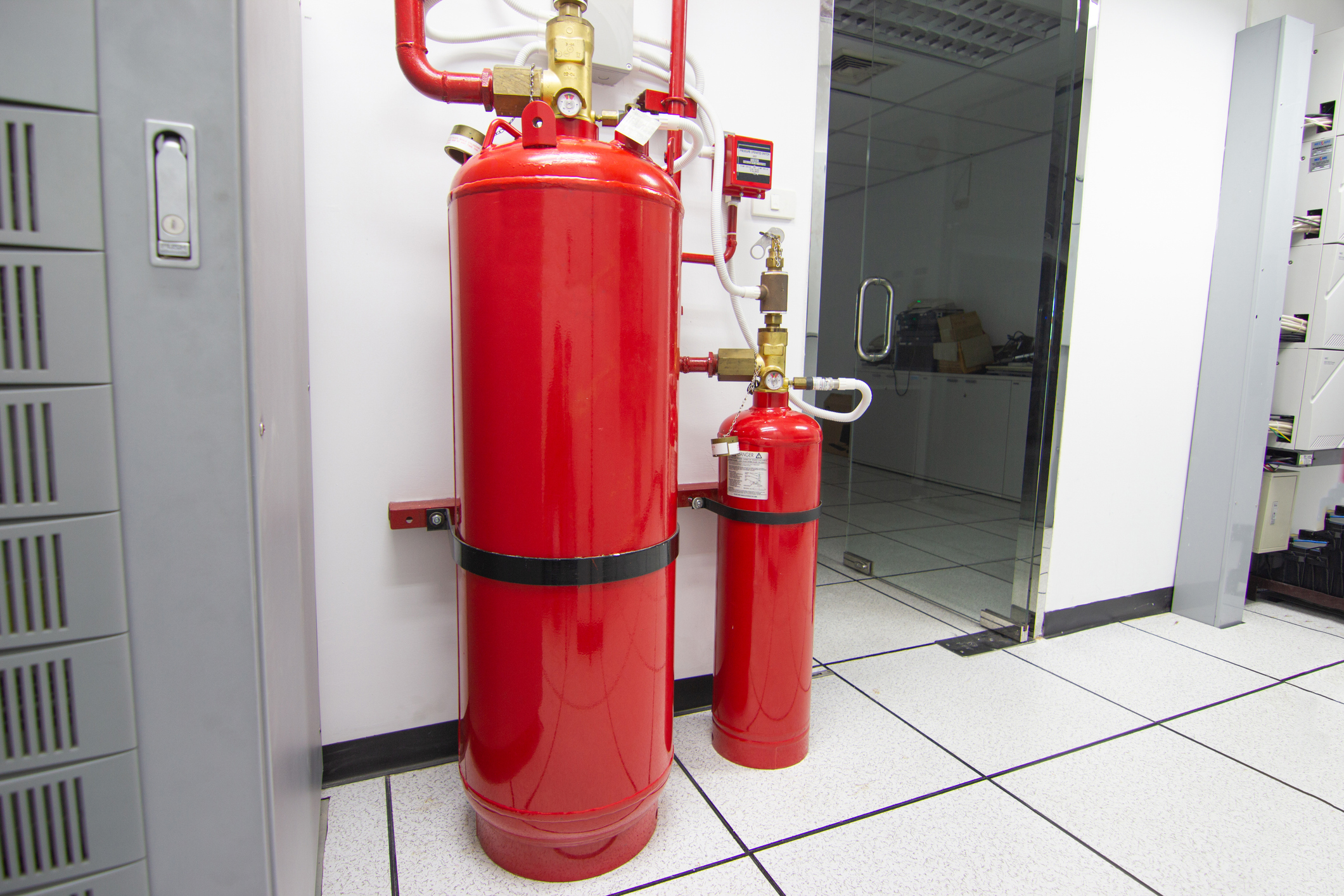
A fire suppression system is designed to detect and suppress fires before they spread. Unlike traditional sprinklers, some suppression systems use agents such as gas, foam, or chemicals instead of water. This makes them useful in spaces where water could damage sensitive electronics, valuable materials, flammable substances, or specialized equipment.
Fire suppression systems are often used in commercial and industrial environments where fire risk is higher or where the wrong suppression method could make the damage worse. The goal is not only to extinguish flames but also to reduce downtime, limit property damage, and protect people inside the building.
How Do Fire Suppression Systems Work?
A fire suppression system operates through a connected process that allows it to respond quickly when signs of fire appear. While the exact setup depends on the building and system type, most systems follow this general sequence:
- Detection: The system monitors for signs of fire, such as heat, smoke, or flames.
- Alarm activation: Once the system detects a potential fire, it triggers an alarm to alert building occupants. Monitored systems may also notify emergency services.
- Suppression: The system releases its designated extinguishing agent to control or extinguish the fire as quickly as possible.
This automatic response is one reason fire suppression systems are so valuable in facilities where a fire could spread quickly or damage critical equipment before someone can respond manually.
The Difference Between Fire Sprinklers And Fire Suppression Systems
While automatic fire sprinklers and fire suppression systems both help control fires, they do not always work the same way. Fire sprinklers typically use water to douse flames, which makes them effective in many commercial and residential spaces.
Fire suppression systems may use alternative agents, including clean agents, foam, gas, or chemicals. This approach can be better suited for areas where water could damage equipment, interrupt operations, or create additional safety risks. In many buildings, sprinklers and suppression systems work together as part of a larger fire protection plan.
When Do You Need A Fire Suppression System?
Fire protection is not one-size-fits-all. In some places, a traditional sprinkler system may provide the right level of protection. In others, water may be ineffective, unsafe, or damaging. Fire suppression systems are often recommended for environments where fire must be controlled quickly without relying only on water.
If your business handles sensitive electronics, combustible fuels, high-heat equipment, flammable materials, or valuable items, a suppression system may be necessary for safety and code compliance. These systems are especially important in special hazard areas where the fire risk or potential damage is more complex.
Common spaces that may benefit from a fire suppression system include:
- Commercial kitchens
- Data centers and IT rooms
- Chemical storage areas
- Manufacturing facilities
- Power plants and mechanical rooms
- Museums, archives, and art galleries
- Industrial equipment areas
Different Types Of Fire Suppression Systems
Fire suppression systems are not all built the same. Each type is designed to address different hazards, materials, and fire risks. Choosing the right system depends on the property, the equipment being protected, and the type of fire most likely to occur.
Common fire suppression system types include:
- Clean agent suppression: These systems use gaseous agents to suppress fires without leaving residue. They are often used in data centers, server rooms, control rooms, and other spaces with sensitive electronics.
- Foam suppression: Foam systems are often used where flammable liquids are present because the foam can help separate the fuel source from oxygen.
- Chemical suppression: Chemical systems are commonly used in commercial kitchens and industrial environments where specific fire hazards require a targeted response.
- CO2 suppression: CO2 systems reduce oxygen around a fire to help suppress flames. These systems require careful planning because they are used in specific applications and must be designed with occupant safety in mind.
- Perforated pipe-delivery systems: These systems distribute suppression agents through strategically placed piping so the material reaches the hazard area quickly and evenly.
Why Fire Suppression Installation Should Be Customized
A fire suppression system should never be treated like a generic product. The right system depends on the building layout, equipment, occupancy, fire hazards, and applicable code requirements. A commercial kitchen, for example, does not need the same type of protection as a server room or chemical storage area.
Professional fire suppression installation helps ensure the system is designed around the actual risks inside the building. This includes choosing the right suppression agent, placing detection components correctly, planning discharge coverage, and making sure the system works with the property’s broader fire protection setup.
Protect Your Building With The Right Fire Suppression System
A properly designed fire suppression system can help protect people, equipment, property, and business operations. It can also help reduce the risk of severe damage by responding quickly when fire conditions are detected.
For commercial buildings, specialized facilities, and high-risk environments, fire suppression is an important part of a complete fire safety strategy. The best next step is to have your building evaluated so the right system can be matched to your specific hazards, layout, and compliance needs.
Ready to improve your building’s fire protection? Contact our team today to request a fire suppression system estimate.
Fire Suppression Systems FAQs
What is the main purpose of a fire suppression system?
The main purpose of a fire suppression system is to detect and control a fire before it spreads. Many businesses use commercial suppression systems to protect people, equipment, and property from severe fire damage.
Where are fire suppression systems commonly installed?
Fire suppression systems are commonly installed in commercial kitchens, server rooms, manufacturing facilities, chemical storage areas, and other high-risk spaces. A professional can recommend the right setup during fire suppression system installation based on the building’s specific hazards.
Are fire suppression systems the same as fire sprinklers?
Fire suppression systems and fire sprinklers both help control fires, but they may use different methods. Many fire sprinkler systems use water, while some suppression systems use gas, foam, or chemical agents for spaces where water could cause additional damage.
request service today