UL 300 Fire Suppression Compliance for Commercial Kitchens
Commercial kitchens in Charlotte, NC are high-heat and high-grease environments. Modern cooking equipment also burns hotter and uses more oil than older equipment. This combination puts commercial kitchens at high risk of fire, so fire protection standards have evolved to address new hazards.
UL 300 is one of the most important fire suppression standards for protecting commercial kitchens. If your system doesn’t meet this standard, you may face safety risks, failed inspections, and insurance issues. Learning what UL 300 requires helps you remain compliant, as well as protect your staff, property, and business.
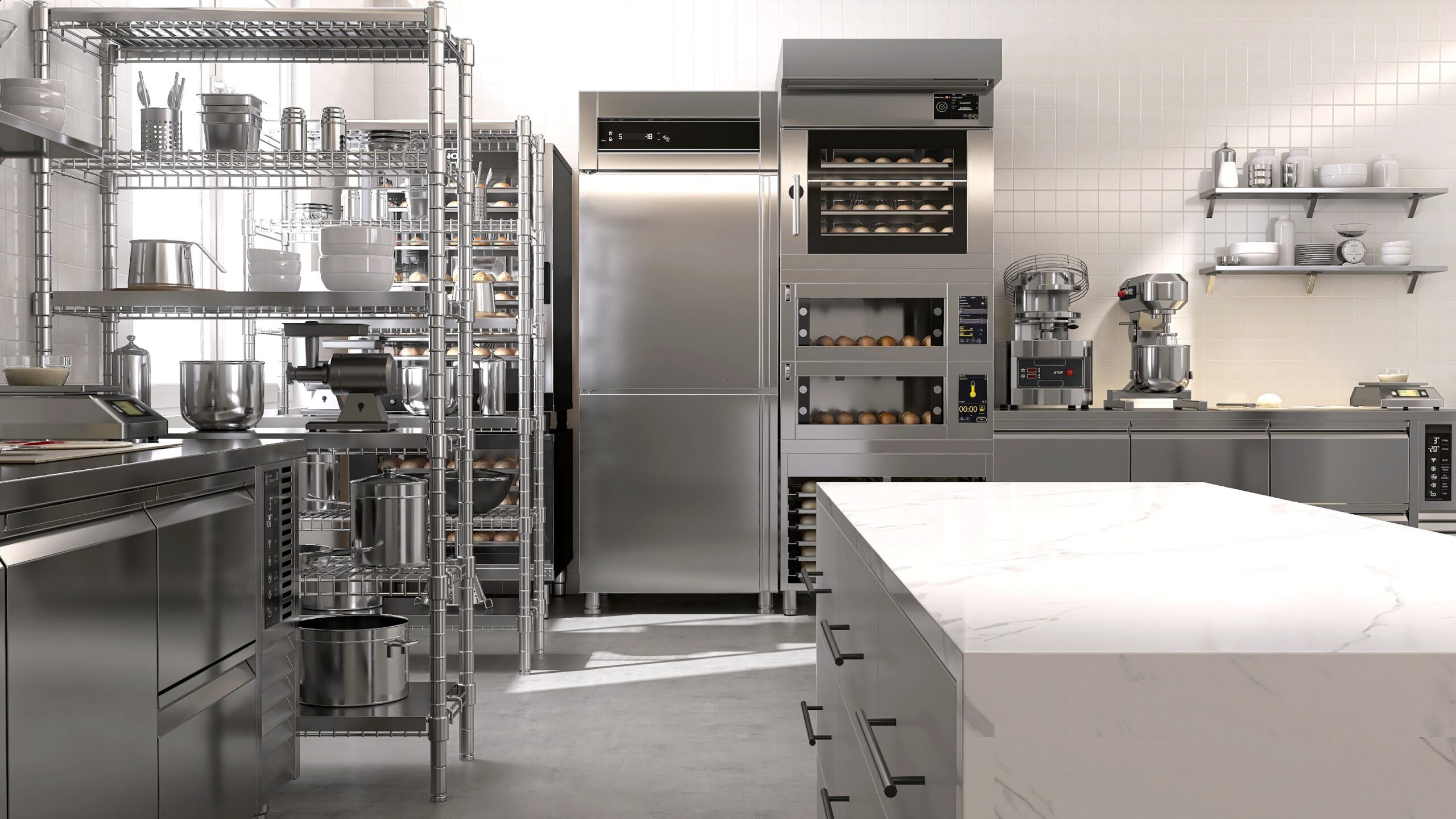
What the UL 300 Standard Is and Why It Matters for Commercial Kitchens
Commercial kitchens should always have reliable special hazard protection systems that comply with the UL 300 Standard. The UL 300 Standard is a fire suppression performance standard developed by Underwriters Laboratories. It applies specifically to fire suppression systems installed in commercial cooking environments.
Before the early 1990s, kitchen fire suppression systems were good for handling animal fats and lower cooking temperatures. Commercial kitchens soon started using equipment that ran hotter and relied heavily on vegetable oils. These changes made grease fires much harder to control.
Dry chemical systems were the standard for kitchen fire suppression, but they were no longer sufficient for the job. Switching to a wet chemical fire suppression system was the solution. UL 300 systems release a wet agent that cools the fire and covers burning grease with foam.
This standard matters because it reflects how commercial kitchens operate today. Compliance also supports fire code approval and insurance coverage. If your commercial kitchen doesn’t have this protection, a single fire may cause serious damage. It may also interrupt business operations.
Which Commercial Kitchens Typically Need UL 300 Compliance
Commercial kitchens that use grease-producing appliances require UL 300-compliant fire suppression systems. This includes restaurants, cafeterias, food trucks, and school and hospital kitchens. Kitchens that cook with deep fryers, griddles, or high-output ranges also fall within this category.
You may not know for sure if your kitchen needs compliance. If your kitchen prepares food using oils or produces grease vapors, compliance is necessary. When you’re planning a new installation or system upgrade, it’s best to hire professional fire suppression services. They will make sure the installation complies with relevant safety codes and standards.
Signs Your Current Suppression Setup Might Not Be UL 300 Compliant
Older suppression systems installed before the mid-1990s often lack UL 300 certification. Equipment upgrades may also affect compliance. Also, take note if your cooking appliances changed but the suppression system didn’t. If you’re still unsure, request an inspection from City Fire and Safety to prepare for a fire marshal inspection.
What to Expect During a UL 300 Compliance Review and Next Steps
A UL 300 compliance review begins with an inspection of your suppression system. This includes an evaluation of appliance coverage, nozzle placement, and system type. You’ll also learn if you need any updates. This may involve replacing nozzles, upgrading the control panel, or installing a new suppression system. The goal is to ensure proper protection for every grease-producing appliance.
The system also undergoes testing to make sure everything works correctly. After a successful review, you’ll receive an inspection report, service tag, and compliance certificate. These documents verify that the system meets UL 300 standards.
You’ll receive a deficiency notice if your system fails the compliance inspection. The notice outlines any repairs or upgrades you need to make. If the changes are urgent, a fire marshal may restrict the use of your cooking equipment. The marshal may also force you to close or designate an employee as a fire watch. The fire watch is a person who specifically watches for hazards until your kitchen is in compliance. Special hazard installation from City Fire and Safety helps your kitchen reach compliance.
Get Compliant Today
The team at City Fire and Safety has the skill and training to provide you with reliable fire suppression services. We help with everything from fire alarms, sprinklers, extinguishers, and more.
Contact us today for a fire suppression system in Charlotte.
UL 300 Fire Suppression FAQs
Below are answers to some of the most common questions about the UL 300 standard. If you need additional information, feel free to reach out.
What Is UL 300 Fire Suppression, and What Does “Compliant” Usually Mean?
UL 300 fire suppression refers to a system that meets safety standards for commercial kitchens. Compliance means the system uses a wet chemical agent and provides coverage for all cooking equipment. Contact us to learn more about fire suppression system basics.
How Do You Get UL 300 Fire Suppression Compliant if Your Kitchen System Needs Updates?
The path to compliance starts with a professional inspection. You’ll learn which updates will bring you into compliance. Once the system meets UL 300 requirements, documentation confirms compliance for inspectors and insurers. You may need a fire suppression installation to become compliant.
request service today