
Dry vs Wet Pipe Sprinkler Systems: What’s Best for Your Facility
As a commercial building owner or manager, you’re required by law to have a properly functioning fire sprinkler system. Different types of buildings and industries have different fire protection needs. Having the right type of sprinkler system is crucial for ensuring that it effectively meets your needs and will quickly and completely put out any fires that start. The two most common types of sprinkler systems are dry and wet pipe, each of which can be better suited to certain situations.
Why Sprinkler Systems Are Vital for Commercial Fire Protection
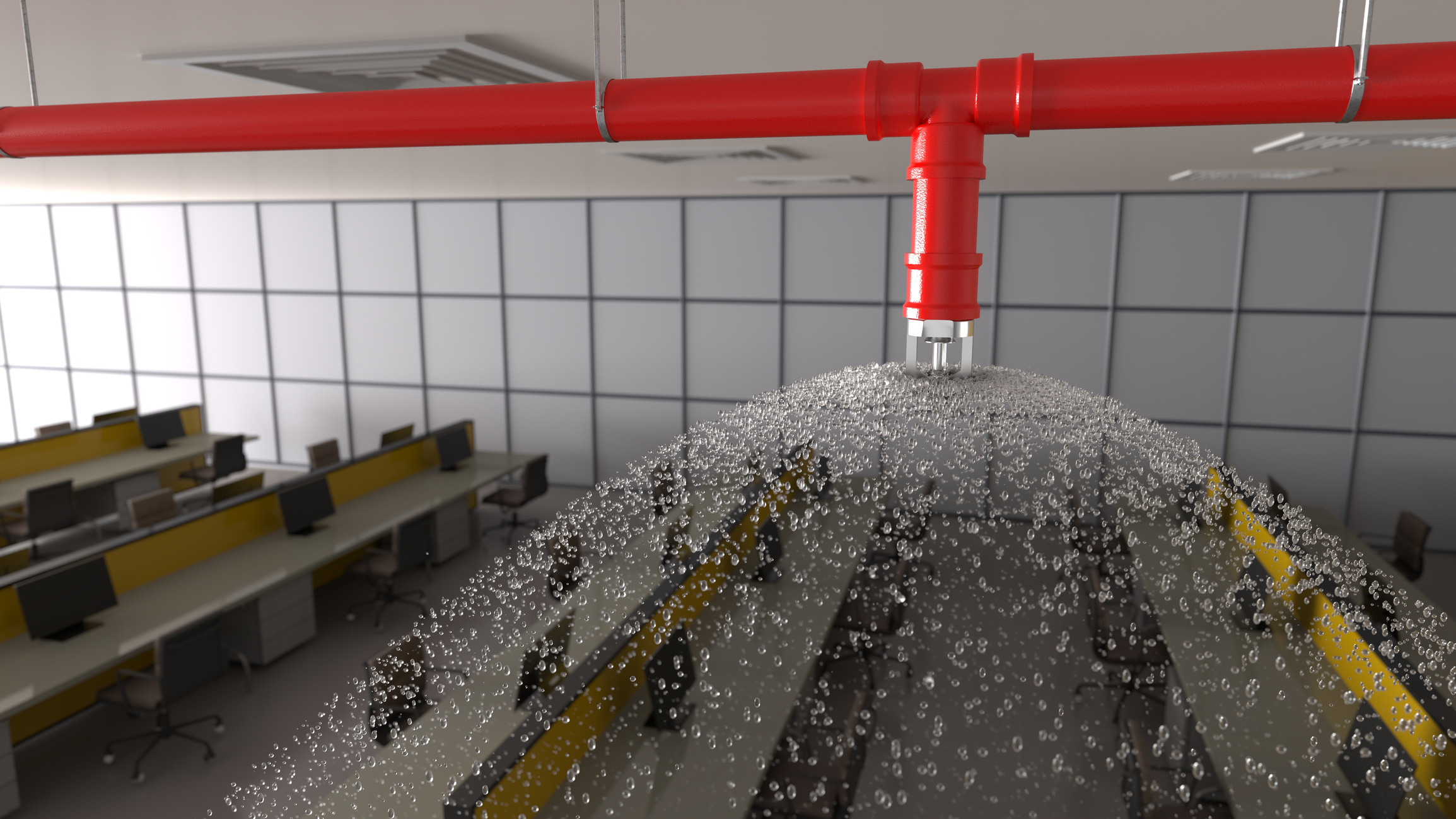
Fire sprinkler systems are the main line of defense in preventing fire-related loss of property, injury and death. A well-designed sprinkler system that works properly can reduce property damage from a fire by around 60% compared to if the building didn’t have sprinklers. It can also reduce fire-related deaths by around 80%. Making sure that you have the right system is important for ensuring you stay compliant with fire codes and helps avoid fines, liability issues and insurance complications.
Understanding Wet Pipe Sprinkler Systems
The name wet pipe comes from the fact that the pipes that feed all of the sprinkler heads are constantly filled with pressurized water. Contrary to what you may think, a fire won’t result in water spraying out of all of the sprinkler heads. Instead, water will only spray out of the heads near where the fire is. This ensures that the fire quickly gets put out while at the same time preventing water from spraying in other areas and causing unnecessary damage.
Each sprinkler head has a glass bulb or a cap. If a fire starts and the air near a sprinkler head reaches a certain temperature, the bulb will break or the cap will melt. This results in the pressurized water immediately spraying out of that sprinkler to put the fire out in that area.
Wet pipe systems are the most reliable option due to how quickly they work. However, they’re only suitable for conditioned spaces that are constantly warm. The concern in an unconditioned space is that the water can freeze, resulting in pipes rupturing and causing extensive flooding and water damage. The only other drawback is that there’s always the chance of a pipe leaking and causing damage.
Understanding Dry Pipe Sprinkler Systems
The only real difference with a dry pipe sprinkler system is that the pipes are filled with compressed air or nitrogen instead of water. When the heat from a nearby fire causes the glass bulb in a sprinkler head to break or the cap to melt, the air or nitrogen inside the system immediately starts flowing out through that head. This results in the pressure inside the system decreasing. Once the pressure decreases to a certain point, it causes the dry pipe valve to automatically open. This then allows water to start flowing throughout the system and out of the open sprinkler head.
Some dry pipe systems have a large storage tank that supplies the water. In some cases, it’s also possible to connect the system to the municipal water supply. However, there are very specific requirements in terms of how much water pressure a dry pipe system has. If the pressure is too low, the system won’t work as quickly or as effectively as it needs to. As such, it’s often necessary for the system to have a pump to ensure the pressure is high enough.
One concern with dry pipe systems is that they don’t always work as well at preventing property damage. Water starts flowing out of the sprinkler head immediately in a wet pipe system, whereas there’s a delay from when the head opens until water starts flowing in a dry pipe system. Dry pipe systems are also more limited in terms of size, which is necessary to ensure that the delay is as short as possible.
Comparing Costs, Maintenance, and Best-Use Cases
The reason that wet pipe systems are the most common option is that they are easier to install and maintain. This type of system is ideal for a range of buildings, including offices, restaurants, retail stores, hotels, schools and apartment buildings.
Dry pipe sprinkler systems are primarily used in places where there’s a risk of the water in the system freezing. In fact, NFPA code specifically states that they should only ever be used in places that don’t have sufficient heating to ensure that none of the pipes can potentially freeze. The NFPA also recommends replacing a dry system with a wet pipe system if there’s no longer any risk of part of the system freezing, such as if you’ve added additional heating.
Dry pipe systems cost more upfront and require quite a bit more ongoing maintenance to ensure that they work correctly. Nonetheless, a dry system is the best option if there’s even a slight chance of the pipes freezing. This includes places like garages, warehouses, unheated areas and outdoor spaces that require fire protection.
Which Sprinkler System Is Right for Your Facility?
Choosing between a dry and wet pipe system really comes down to whether you’re concerned about the system freezing during winter. Having one of the sprinkler lines freeze and burst can do severe damage to your building, equipment, electronics and furnishings. As such, it’s worth spending the extra money on a dry pipe system if you can’t guarantee that the space will constantly be warm enough to prevent the water from freezing.
An even better option than a dry or wet system for certain rooms or industries is a pre-action system. This type of system is designed for situations where having any of the sprinklers go off unnecessarily would be extremely devastating. This includes places like museums, art galleries, libraries and data centers.
Pre-action systems are similar to dry pipe systems in that the pipes are initially filled with air or nitrogen. The difference is that the system has an additional failsafe to ensure it won’t go off in the event of a false alarm. In a pre-action system, the valve that allows water to start flowing is usually connected to smoke detectors. If a detector goes off, water will immediately start flowing throughout the system. However, water will only flow out of any sprinkler heads if they also get hot enough for the glass bulb to break or the cap to melt. That means both heat and smoke are required to set the sprinklers off.
Call City Fire & Safety for Fire Sprinkler Solutions Today
If you need help choosing a fire sprinkler system for your facility, you can count on the experts at City Fire & Safety. We have 40 years of experience designing, installing and maintaining fire sprinkler systems and custom fire suppression systems for a wide range of industries. We also specialize in fire extinguishers and fire alarms.
You can trust us to properly manage all of your commercial fire protection needs. We serve North Carolina, South Carolina and numerous other parts of the country. To schedule a consultation and get help choosing the right fire sprinkler system, contact us today.

request service today